Drain Field Replacement in Denver, CO
Drain field replacement involves removing and installing a new drain field system to ensure proper wastewater dispersal from a property’s septic system. This service typically covers projects where the existing drain field has failed, become clogged, or is no longer functioning efficiently. Homeowners often seek this service when experiencing persistent sewage backups, foul odors, soggy yard areas, or other signs of septic system failure. Understanding the scope of the replacement process, including the need for proper site assessment and soil considerations, helps property owners make informed decisions about their septic system needs.
Before requesting drain field replacement, property owners should consider factors such as the size of the property, the condition of the existing system, and local regulations or permits required for installation. It’s also important to evaluate the potential impact on landscaping and property use during the project. Clear communication about the existing septic system’s history and any ongoing issues can assist in planning a replacement that meets the property’s wastewater management needs effectively.
Many property owners in Denver, CO look into Drain Field Replacement for repairs, replacements, upgrades, and appearance-related improvements.
Signs You Need A Drain Field Replacement
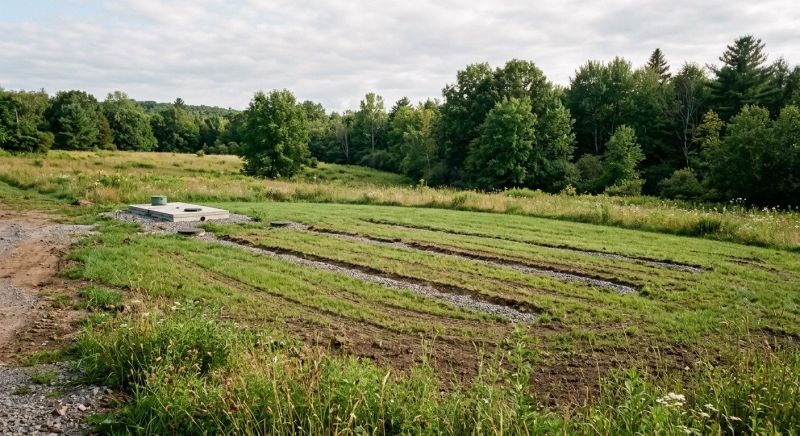
Persistent drain backups or unpleasant odors may indicate a failing drain field.
Understanding The Replacement Process
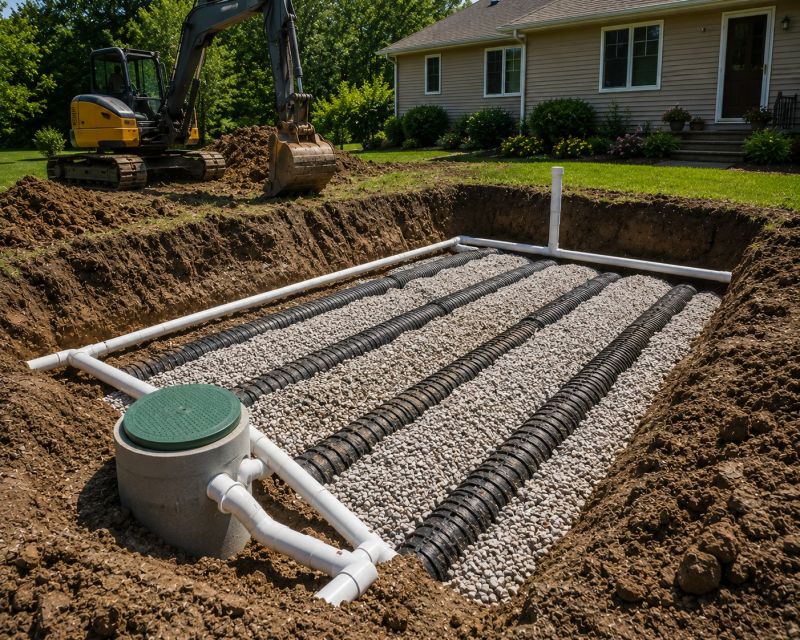
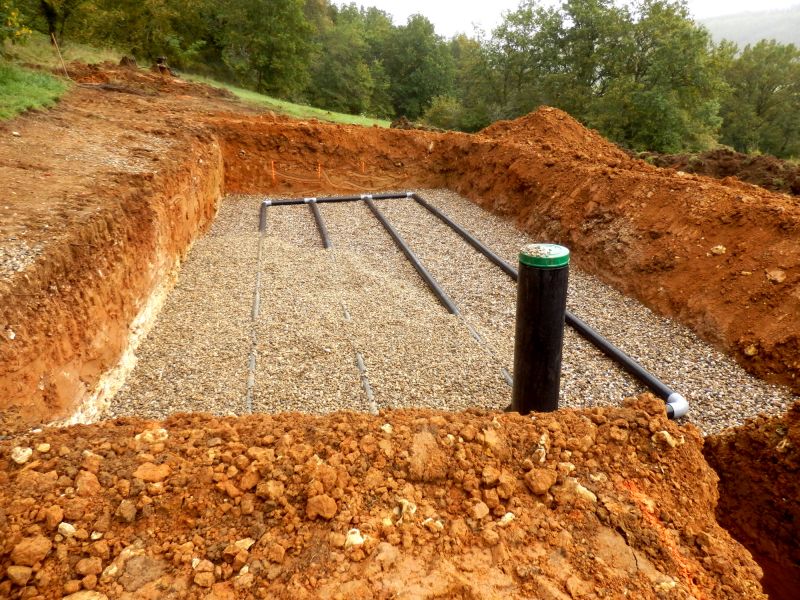
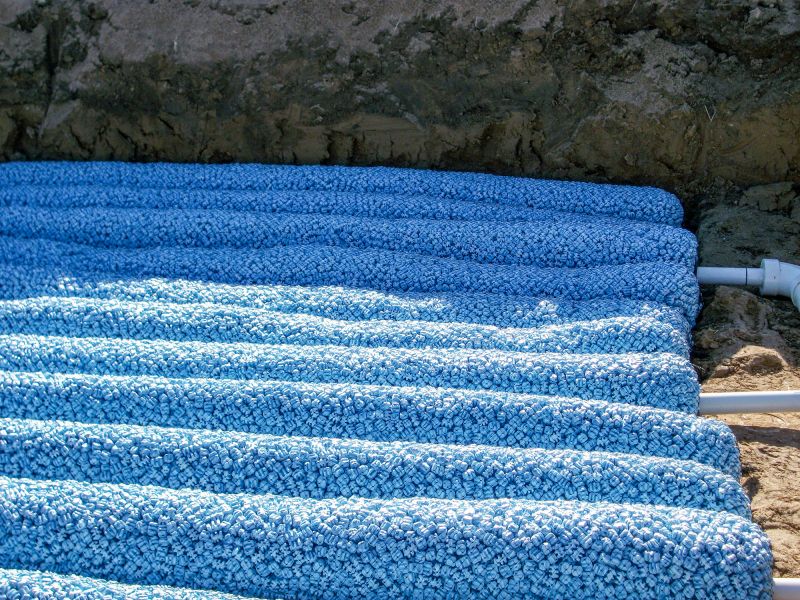
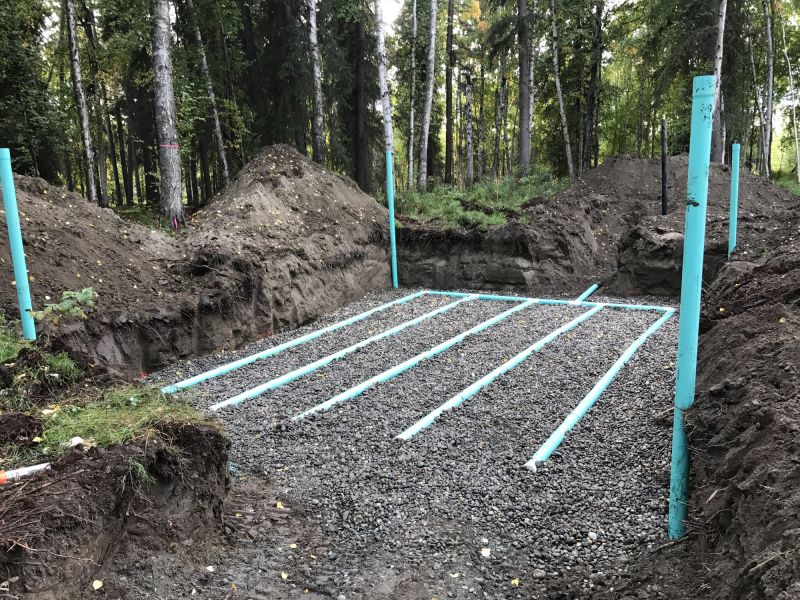
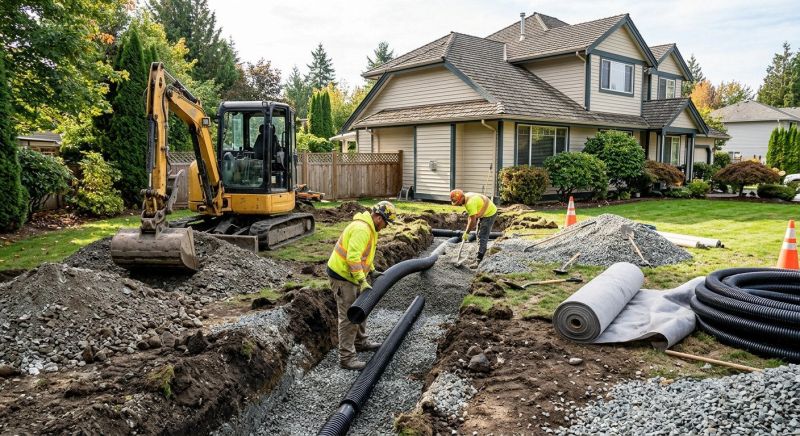
Replacing a drain field involves excavating the area, installing new pipes, and ensuring proper soil absorption.
Factors To Consider For Drain Field Replacement
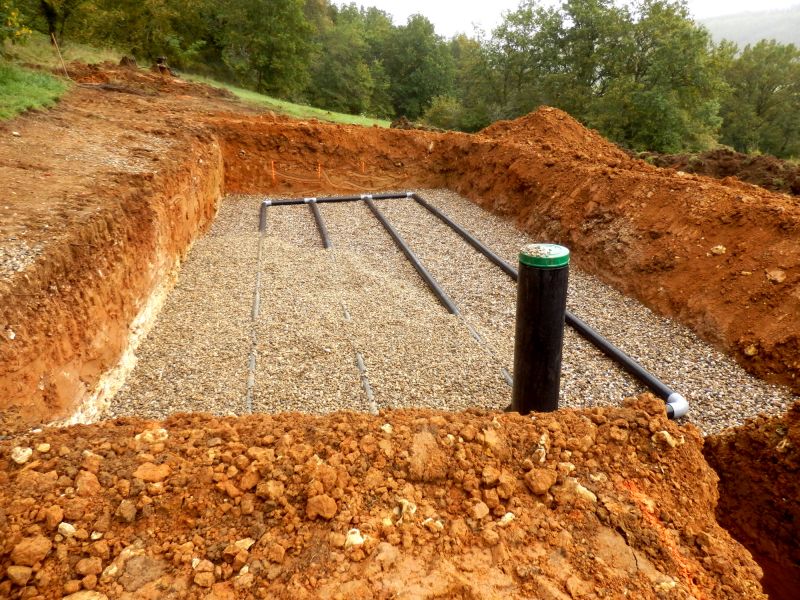
Soil type, property size, and system age are important when planning a drain field upgrade in denver area homes.
Drain Field Replacement in Denver, CO

Drain field replacement involves removing and installing a new drain field system to ensure proper wastewater dispersal from a property’s septic system. This service typically covers projects where the existing drain field has failed, become clogged, or is no longer functioning efficiently. Homeowners often seek this service when experiencing persistent sewage backups, foul odors, soggy yard areas, or other signs of septic system failure. Understanding the scope of the replacement process, including the need for proper site assessment and soil considerations, helps property owners make informed decisions about their septic system needs.
Before requesting drain field replacement, property owners should consider factors such as the size of the property, the condition of the existing system, and local regulations or permits required for installation. It’s also important to evaluate the potential impact on landscaping and property use during the project. Clear communication about the existing septic system’s history and any ongoing issues can assist in planning a replacement that meets the property’s wastewater management needs effectively.
Many property owners in Denver, CO look into Drain Field Replacement for repairs, replacements, upgrades, and appearance-related improvements.
Common Drain Field Replacement Jobs
Drain field replacement involves removing and installing a new leach field to ensure proper wastewater dispersal.
Septic system upgrades include replacing aging drain fields to prevent system failures.
Leach field repair addresses issues like standing water or foul odors indicating a need for replacement.
Soil assessment services evaluate soil conditions to determine the best location and design for a new drain field.
Drain field installation involves preparing the site and installing the necessary piping and gravel beds.
System decommissioning safely removes old drain fields when upgrading or abandoning septic systems.
Drain Field Replacement Questions
What is drain field replacement? Drain field replacement involves installing a new absorption area for wastewater when the existing system fails or becomes inefficient.
When should a drain field be replaced? Replacement is needed if the drain field shows signs of failure such as standing water, foul odors, or slow drainage.
What types of drain fields are available? Common options include gravel and trench systems, chamber systems, or mound systems, depending on site conditions.
What property considerations are important for drain field replacement? Soil type, lot size, and water usage are key factors in planning a suitable drain field system.
Request Drain Field Replacement in Denver, CO
Use the quote form on this page to share the basics of your project and request more information for the type of work you need.